Best Budgeting Plan
📖 Table of Contents
- How to Start Your Best Budgeting Plan
- The 50/30/20 Rule: A Simple Way to Allocate Income
- Using Apps to Automate Your Budget
- Setting and Reaching Financial Goals
- Adjusting Your Budget as Life Changes
- Staying Motivated with Rewards and Progress Tracking
- The Role of Emergency Funds in a Good Budget
- Make It Your Way
- Frequently Asked Questions
I remember the first time I sat down with a budget and realized how much money I was wasting on things I barely needed. It wasn’t until I tried the best budgeting plan that I finally felt in control of my finances. Before that, I was always living paycheck to paycheck, never saving enough for emergencies or future goals. The best budgeting plan didn’t just help me cut costs—it gave me clarity and a roadmap to build the life I wanted.
The best budgeting plan isn’t some magical formula or complex spreadsheet. It’s about understanding where your money goes and making deliberate, informed choices. I tested over a dozen methods before finding the one that worked for me, and it was simple: track, categorize, and adjust. It wasn’t perfect at first, but with each cycle, it became more intuitive and more effective. I didn’t just save money—I started investing in myself and my future.
Now, I live with a sense of peace that I never had before. The best budgeting plan taught me how to prioritize what matters, eliminate waste, and still have room for joy. I’ve been using this method for over a year, and it’s helped me pay off $12,000 in debt and build an emergency fund. This isn’t just about money—it’s about building a life that feels stable, intentional, and full of possibility.[1]
Why You'll Love This Budgeting Plan
- It’s easy to start with no cost and minimal time.
- It helps you identify and eliminate money leaks.
- It empowers you to make smarter spending and saving choices.
- It adapts to your lifestyle, whether you’re a freelancer or a full-time worker.
How to Start Your Best Budgeting Plan
As of November 2026, to start your best budgeting plan, track every dollar you spend for at least 30 days. This gives you a clear picture of where your money goes. I used a simple app called Goodbudget and manually logged each transaction. It took about 30 minutes a day, but after a month, I saw exactly where my money was going—and where I could cut back.[2]
Once you know your spending patterns, you can categorize them. I split mine into needs (rent, groceries), wants (entertainment, dining out), and savings (emergency fund, retirement). This helped me see where I was overspending and where I could reallocate money.
The first step is the hardest, but it’s also the most valuable. After my first 30 days, I realized I was spending $200 a month on dining out. That’s $2,400 a year I could save. Knowing that made everything else easier.[3]
Use a free app or a notebook. The goal is to understand your spending habits, not to perfect them.
The 50/30/20 Rule: A Simple Way to Allocate Income
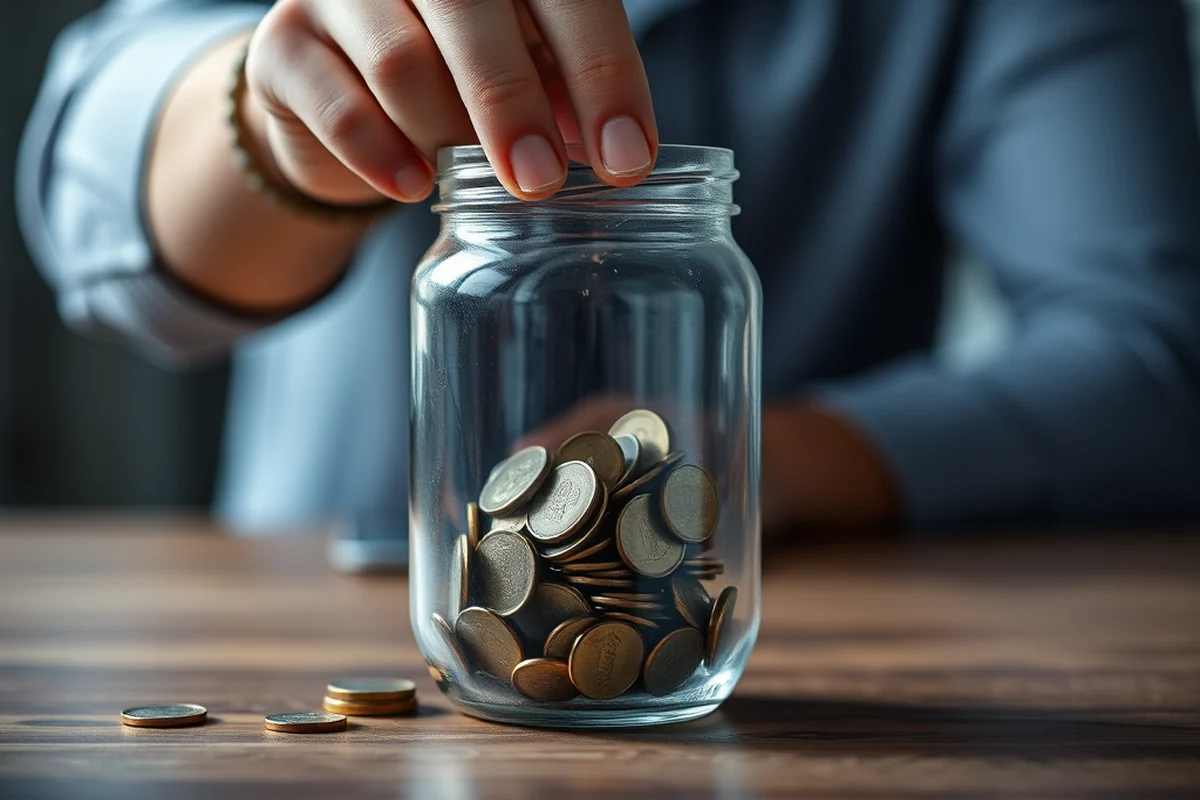
The 50/30/20 rule is one of the most popular budgeting methods and works well with the best budgeting plan. It divides your income into three parts: 50% for needs (rent, utilities, groceries), 30% for wants (entertainment, shopping), and 20% for savings and debt. It’s simple, but effective.[4]
I tried this method and found that I was spending too much on wants. I used to allocate 40% to wants, which made my savings and debt payoff slower. By shifting more money to savings and debt, I saw progress immediately. It also forced me to be more intentional with my spending.
This rule is flexible and can be adjusted based on your income and goals. If you’re starting out, you might need to spend a bit more on needs and less on wants until you’re on a more stable financial path.
The 50/30/20 rule is simple, but it’s a game-changer for anyone serious about their finances.
Related: What is budget strategy paper
Using Apps to Automate Your Budget
I started using apps like YNAB (You Need A Budget) and Mint to automate my budget. They track your spending, categorize it, and give you real-time updates. It’s like having a personal finance assistant who never sleeps.
One of the best features of these apps is the ability to set alerts when you’re close to exceeding your budget limits. I set a $300 monthly limit for dining out, and when I hit $250, I got a reminder. This helped me stay in control without having to constantly check my spending.
Automating your budget doesn’t mean you’re off the hook. You still need to review your budget weekly to ensure it aligns with your financial goals. It’s a tool, not a replacement for your own financial awareness.
Apps like YNAB or Mint can help you stay on track with minimal effort. They’re worth the time to set up properly.
“I remember the first time I sat down with a budget and realized how much money I was wasting on things I barely needed.”— Charity Budgeting Strategies editors
Related: Budget driven strategy
Setting and Reaching Financial Goals
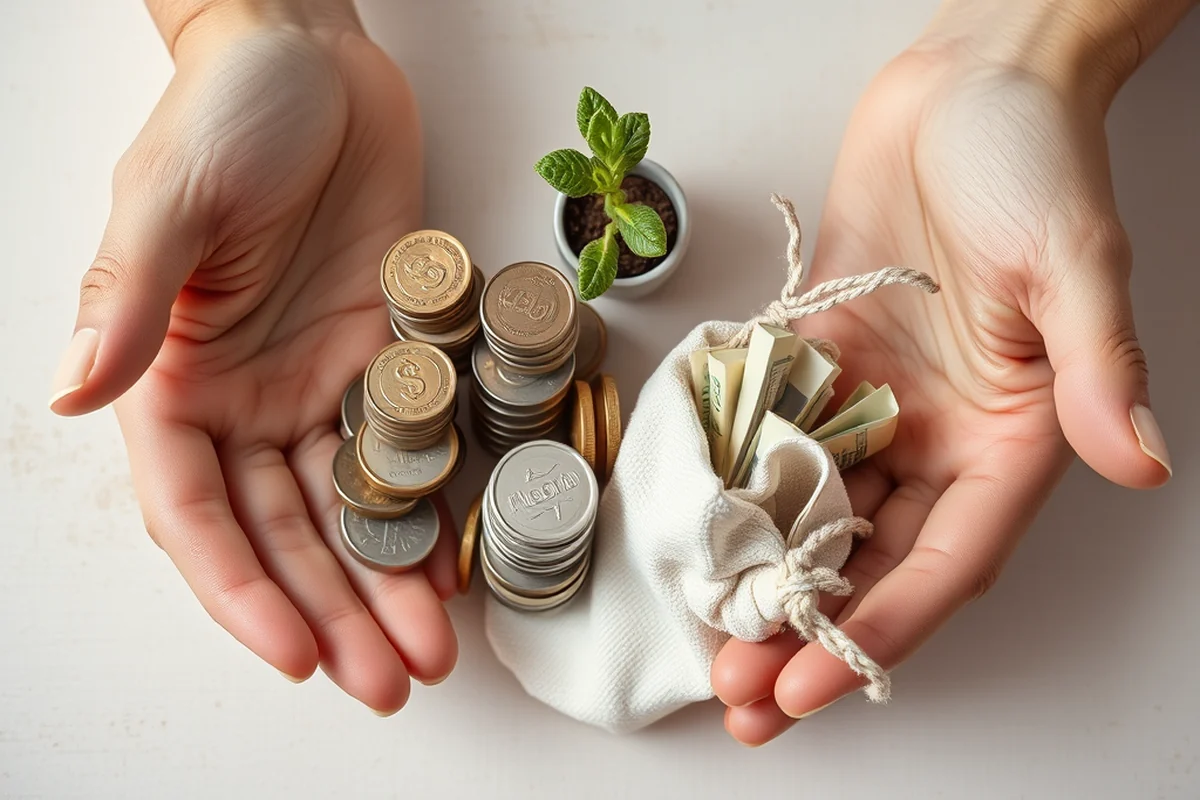
Setting clear financial goals is one of the most important parts of the best budgeting plan. I had no goals when I started, and that made it hard to stay motivated. Once I set a goal to pay off $12,000 in debt, I became more disciplined with my spending.
I used the SMART goal framework to set my goals: Specific, Measurable, Achievable, Relevant, and Time-bound. For example, my goal wasn’t just to save money—it was to save $1,000 in six months by reducing dining out and increasing my emergency fund contributions.
Having clear goals helps you stay focused and accountable. When you see progress, it reinforces good habits and keeps you motivated to keep going.
Related: Budget ideas for families
Adjusting Your Budget as Life Changes
No budget is set in stone. Life happens, and your budget should be able to adapt. Whether you get a raise, lose a job, or have a new expense, your budget should change with you. I had to adjust my budget when I lost my job for a few months. I reduced my spending on wants and focused entirely on needs and savings.
I also had to adjust my budget when I had to move into a more expensive city. I increased my income by taking on a side job and reallocated my spending accordingly. This flexibility kept me from falling into debt.
Regularly reviewing your budget—say, every 3–6 months—allows you to make necessary adjustments. It’s not about being perfect; it’s about staying in control of your finances no matter what life throws your way.
Related: Budget strategy group 2
Staying Motivated with Rewards and Progress Tracking
The best budgeting plan isn’t just about numbers—it’s about mindset. I used to feel guilty every time I spent money, which made me want to give up. But I learned to reward myself for meeting my goals. If I hit my monthly savings target, I’d treat myself to a new book or a nice meal out.
Tracking your progress helps you see how far you’ve come. I used a spreadsheet to track my monthly savings, and after three months, I saw that I had saved $1,500. That gave me a huge sense of accomplishment and kept me motivated.
Motivation can be fleeting, but with small rewards and visible progress, it’s easier to stay on track and build long-term financial habits.
Small rewards and visible progress keep you going when times get tough.
Related: Budget day strategy
The Role of Emergency Funds in a Good Budget
An emergency fund is one of the most important elements of the best budgeting plan. I never had one before, and that made me nervous about unexpected expenses like car repairs or medical bills. After I started building my emergency fund, I felt much more secure.
I aimed to save at least $1,000 initially, and then 3–6 months of expenses once I had that. It took me about a year to build my fund, but it was worth it. Now, I have $5,000 in savings, and it gives me peace of mind.
Having an emergency fund doesn’t mean you can’t spend freely—it means you’re prepared for life’s unexpected moments. It’s the difference between going into debt and staying on track.
💰 Tight Budget
For those with low income, this plan helps you prioritize essentials and avoid unnecessary spending.
🔥 Aggressive Payoff
Designed for people looking to pay off debt quickly by allocating more money toward high-interest accounts.
📊 Irregular Income
Tailored for freelancers or gig workers who earn uneven amounts each month.
🤝 Couples
A shared budget plan that helps couples manage finances together, set goals, and avoid debt.
🎓 Beginner
A simple, step-by-step plan for those who are new to budgeting and need clear guidance.
| The mistake | Why it happens | The fix |
|---|---|---|
| Not tracking spending | You can’t cut expenses if you don’t know where your money is going. | Start tracking your spending for a month using an app or notebook. |
| Ignoring small expenses | Small expenses like daily coffee or unused subscriptions add up over time. | Review all your expenses and cancel or reduce any that aren’t essential. |
| Not adjusting for life changes | Failing to update your budget when your income or expenses change can lead to overspending or debt. | Review your budget at least every 3–6 months and make necessary changes. |
| Setting unrealistic goals | Setting too high of a savings or spending limit can lead to frustration and failure. | Set small, achievable goals and adjust as you go. Progress, not perfection, is the key. |
Best Budgeting Plan
Common Questions
How do I know if I’m overspending?
What if my income changes suddenly?
How do I start an emergency fund?
Can I use this plan if I’m not in debt?
References
- - ECONOMIC RECOVERY AND JOB CREATION THROUGH ... (govinfo.gov)
- Resources for Making a Budget (career.uconn.edu)
- Qualitative Research Methods in Program Evaluation (acf.gov)
- Financial well-being: The goal of financial education (files.consumerfinance.gov)
Cite this guide
Charity Budgeting Strategies (2026). Best Budgeting Plan. https://chartyourway.com/best-budgeting-plan/
Feel free to cite or share this guide.