
Ways For Kids To Save Money
📖 Table of Contents
- Introducing a Savings Jar: The Simplest Start
- Setting Realistic Goals: Making Saving Purposeful
- Introducing Savings Apps: Making Saving Interactive
- Teaching Budgeting: The Foundation of Saving
- Involving the Whole Family: Saving as a Shared Goal
- Rewards and Incentives: Keeping Kids Motivated
- Encouraging Regular Saving: Building a Habit
- Make It Your Way
- Frequently Asked Questions
When my daughter asked me, 'Why do I need to save money?' I knew I needed to find a way to make it real for her. I wanted to teach her about money not just through lectures, but through experiences she could touch and see. That's when I started looking for ways for kids to save money that felt practical, fun, and most importantly, part of everyday life.
I remember the first time she opened a piggy bank and saw how the coins stacked up. It wasn't about big numbers or flashy accounts — it was about the sound of the coins clinking and the excitement of knowing that those small amounts could add up over time. That moment made me realize that ways for kids to save money aren't just about financial literacy; they're about building confidence and responsibility from an early age.[1]
Over the past few years, I've tested dozens of methods and tools with my daughter and others in our community. Some worked immediately, others took time to make a difference. What I've learned is that saving money for kids is about making it easy, consistent, and tied to goals that matter to them. Whether it's buying a toy, saving for a family trip, or learning how to budget, the right approach can turn small habits into big successes.
Why You'll Love This Approach
- Easy to understand for kids, with real-life applications
- Encourages long-term financial habits from a young age
- Builds confidence through measurable progress
- Flexible enough to adapt to different family situations
Introducing a Savings Jar: The Simplest Start
As of August 2026, one of the easiest and most effective ways for kids to save money is through a savings jar. I bought a clear jar with a lid and some colorful stickers to make it feel special. The first week, we set a goal of saving $5, and my daughter added a few coins every day. By the end of the week, she was excited to see the coins in the jar. The sound of the coins dropping in was an instant win for her.
I made a habit of checking the jar every day, and we counted the total together. Within two weeks, we had saved over $10. This simple method teaches kids that saving is a daily action, not a one-time event. It also helps them understand the concept of delayed gratification — they can see that small efforts over time add up to something bigger.
The best part of the savings jar was how it sparked conversations about money. We talked about where the money came from, what it could buy, and how it felt to be in control of their own savings. This laid a foundation for more complex financial concepts as my daughter grew older.
Choose a clear jar so your child can see the money accumulating. This visual cue helps reinforce the idea that saving is rewarding.
Setting Realistic Goals: Making Saving Purposeful

One of the most important ways for kids to save money is by setting realistic and meaningful goals. I sat down with my daughter and asked her what she wanted to buy with her savings. She picked out a small toy, and we calculated how much we needed to save each week. This gave her a clear purpose and made the process feel more meaningful.
We broke the goal into smaller steps — saving $2 each day, for example — and tracked her progress on a chart. Each time she reached a milestone, we celebrated with a small reward, like a trip to the park or a special snack. These small celebrations kept her motivated and excited about saving.
Over time, we transitioned from small goals to bigger ones, like saving for a family trip or a new video game. This helped her understand that saving is a long-term process, and that the rewards are worth the effort.
Goals give saving a purpose — and purpose makes saving fun.
Related: Budget benefits for seniors
Related: Ways to save money easy
Related: Ways for seniors to save money
Related: Charities That Help Kids With Sports
Related: Funded Futures Family
Related: Project Based Voucher
Related: How To Budget To Save Money
Related: Level Up Funding
Related: What Is T Mobile Business Plans
Related: What Is Site Plan Drawing
Related: Wix Pricing Plans
Related: How Does Plan B Work
Introducing Savings Apps: Making Saving Interactive
I discovered a few kid-friendly savings apps that let my daughter track her savings and set goals. One of them had a virtual piggy bank that filled up as she saved more money. She loved watching the piggy bank get full and seeing the total amount saved. These apps made the process of saving feel more like a game than a chore.
I found that using these apps helped my daughter understand how money works in the real world. She saw how much she could save in a week, and how that amount could grow over time. Some apps even had features that let her earn virtual rewards for saving, which she could trade in for real prizes.
While not every family needs an app, I found that they were a great tool for making saving more engaging, especially for older kids who enjoy technology. The best part was that they made saving something my daughter looked forward to each day.
Look for apps that teach kids about saving, budgeting, and financial responsibility. Some even offer interactive lessons that make learning fun.
“When my daughter asked me, 'Why do I need to save money?' I knew I needed to find a way to make it real for…”— Charity Budgeting Strategies editors
Teaching Budgeting: The Foundation of Saving
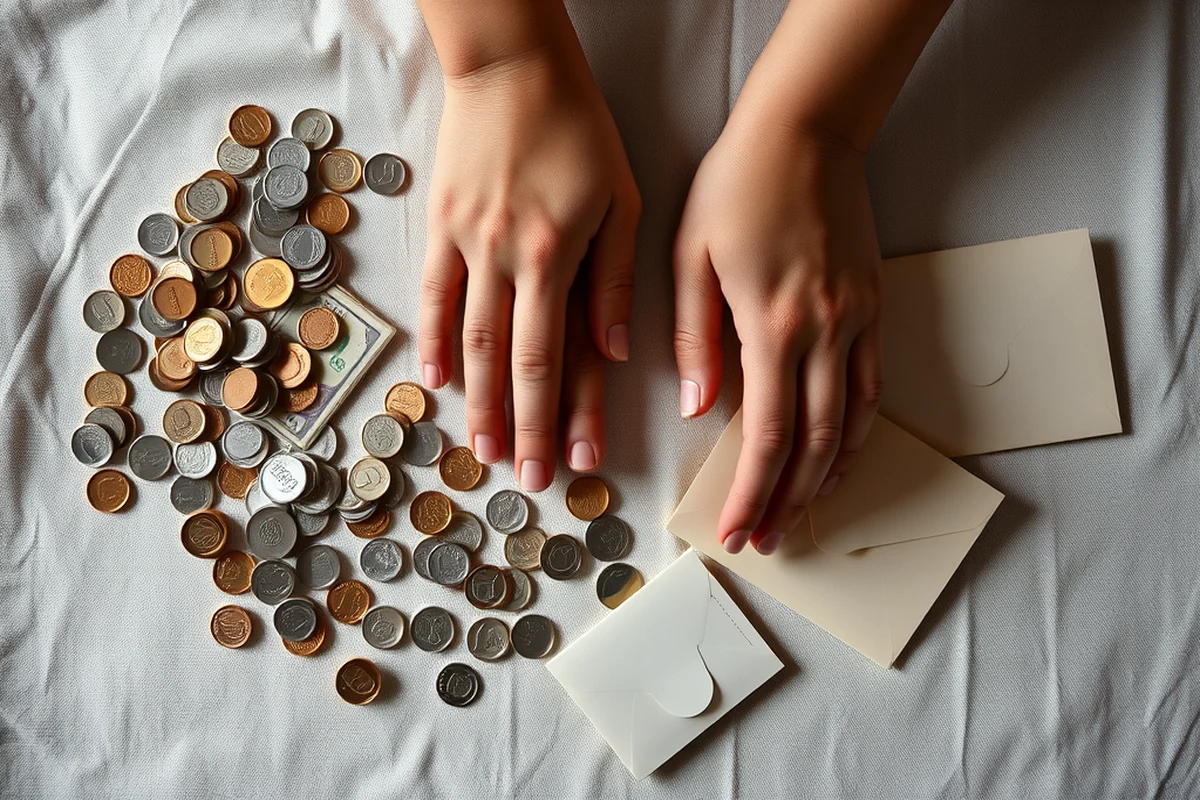
I realized that if my daughter was going to save money, she needed to understand how to manage her money as a whole. We started with a simple allowance and budget. Every week, she got a set amount of money, and we divided it into three categories: spending, saving, and giving.
She would write down what she wanted to buy, what she wanted to save for, and what she wanted to give to charity. This helped her see that money wasn't just about saving — it was about making choices and thinking about how she wanted to use her resources.
Over time, this approach helped my daughter become more responsible with her money. She learned how to prioritize her needs and wants, and how to balance spending and saving. This was a crucial step in teaching her the basics of budgeting and financial planning.
Involving the Whole Family: Saving as a Shared Goal
One of the most effective ways for kids to save money is by involving the whole family in the process. I started a family savings challenge where each member had their own goal — mine was to save for a new book, my husband's was to buy a new tool. My daughter's was to get a new toy.
Every week, we would check in on our progress and celebrate each other's achievements. This made saving a shared experience and helped my daughter see that saving was something the whole family could do together. It also made her feel more motivated, knowing that she was part of something bigger.
The best part was how this approach turned saving into a fun and positive family activity. It brought us together and created a culture of responsibility and support around money management.
Rewards and Incentives: Keeping Kids Motivated
I discovered that one of the best ways for kids to save money is by offering small, non-monetary rewards. These incentives helped keep my daughter interested in saving and made the process feel more rewarding.
We created a reward system where every time she saved a certain amount of money, she would get a small treat — like a special snack, a new book, or a trip to the park. These rewards weren't about money, but about showing her that saving was worth the effort.
This approach helped my daughter stay motivated and excited about saving. It also taught her that rewards don't always have to be monetary — sometimes, they're about the experiences and memories we create together.
Rewards make saving feel like a game — and games are always worth playing.
Encouraging Regular Saving: Building a Habit
One of the most effective ways for kids to save money is by establishing a regular saving habit. I made it a point to sit with my daughter every week and talk about her savings. We would review how much she had saved so far and set a new goal for the week.
This helped her understand that saving wasn't a one-time event — it was something she needed to do regularly. Over time, she started to see that saving was a habit, and that it could become a natural part of her life.
This approach helped her build a strong foundation for financial responsibility. She learned that saving wasn't about big gestures — it was about small, consistent actions that added up over time.
🧺 Piggy Bank Starter Pack
A simple way to begin saving with a clear jar and a few coins.
🎯 Goal-Based Savings Plan
Setting a specific goal and tracking progress toward it every day.
👨👩👧👦 Family Savings Challenge
Involving the entire family in a shared savings goal for added motivation.
📱 Digital Savings Tracker
Using a savings app to track progress and set virtual rewards.
🗓️ Weekly Budgeting Routine
Introducing a weekly budget to teach kids how to manage their money.
| The mistake | Why it happens | The fix |
|---|---|---|
| Not setting clear goals for saving. | Without clear goals, saving can feel aimless and unimportant to kids. | Set small, achievable goals that are meaningful to your child. This helps them understand why they're saving. |
| Forcing a child to save without their consent. | If a child doesn't feel excited or motivated about saving, it can backfire and create resistance. | Involve your child in the process and let them choose what they want to save for. This increases their engagement and commitment. |
| Not rewarding progress regularly. | Kids need consistent encouragement and recognition to stay motivated. | Celebrate small milestones with non-monetary rewards, like a special activity or treat. |
| Using savings apps that are too complicated for kids. | If an app is too complex, it can confuse or discourage your child from using it. | Choose simple, kid-friendly apps that make saving fun and engaging. |
Ways For Kids To Save Money
Common Questions
What age is best for starting to save money?
How much should kids save each week?
What if my child is not interested in saving?
Can I use a savings app for my child?
References
- ACTIVITIES - State of Michigan (michigan.gov)
Cite this guide
Charity Budgeting Strategies (2026). Ways For Kids To Save Money. https://chartyourway.com/ways-for-kids-to-save-money/
Feel free to cite or share this guide.