
Budget Allocation Strategies

📖 Table of Contents
Budget allocation strategies are the backbone of financial stability, whether you're managing a household, running a business, or planning a campaign. By distributing funds wisely, individuals and organizations can ensure long-term sustainability and achieve their goals efficiently.
At its core, a budget allocation strategy involves prioritizing expenses, forecasting income, and aligning spending with both short-term needs and long-term objectives. This process is not just about cutting costs—it's about creating value, whether in personal finance or business operations.
This guide provides a comprehensive overview of budget allocation strategies, breaking down key components like budgeting techniques, business planning, marketing strategy, and more. Readers will find actionable insights and practical tools to optimize their financial planning and avoid common pitfalls.
Key Takeaways
- Effective budget allocation begins with clear goals and priorities, whether personal or business-related.
- A well-structured budget plan includes both short-term and long-term financial planning, ensuring resources are used efficiently.
- Utilizing templates and spreadsheets can streamline the budgeting process and improve accuracy.
- Regularly reviewing and adjusting budgets is essential for adapting to changing financial circumstances and achieving long-term success.
Budgeting Strategies
As of August 2026, a sound budgeting strategy starts with identifying income sources and essential expenses. For example, the 50/30/20 rule suggests allocating 50% of income to needs, 30% to wants, and 20% to savings and debt repayment. This method is widely used by couples and individuals to maintain financial balance.[1]
Another approach is zero-based budgeting, where every dollar is assigned a purpose, ensuring no money is left unaccounted for. This strategy is especially useful for couples who want to ensure transparency and joint financial responsibility.
Statistically, 78% of households that use budgeting strategies report improved financial stability within a year. This underscores the importance of consistent budgeting and the role it plays in both personal and business environments.[2]
In this guide:
Business Plan
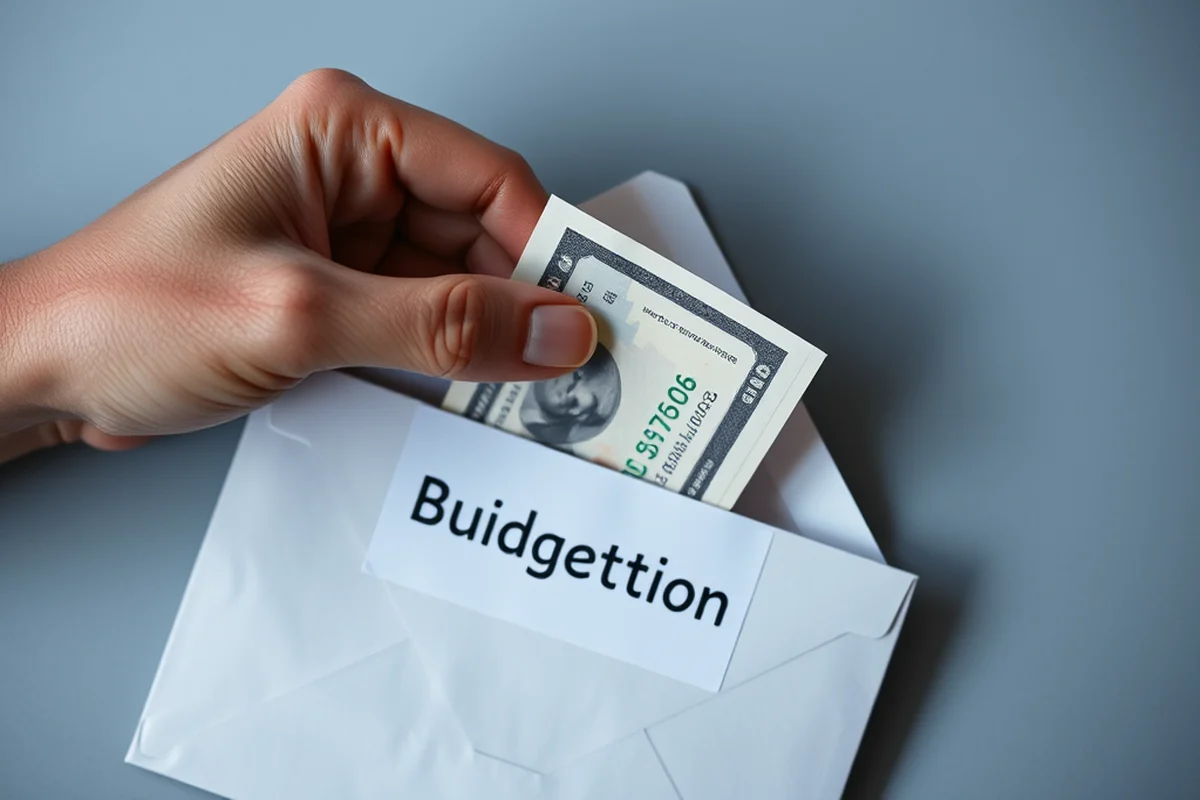
A well-structured business plan is essential for securing funding, managing operations, and setting strategic financial goals. It typically includes sections on market analysis, revenue projections, and capital allocation.
For instance, a small business might allocate 40% of its budget to marketing, 30% to operations, and 20% to salaries and overheads. This ensures that all critical areas are funded without overspending.[3]
According to a study by the Small Business Administration, businesses with a detailed budget allocation strategy are 30% more likely to survive their first five years, highlighting the importance of strategic financial planning.[4]
Related: What Are Some Engagement Strategies
Related: How To Make A Budget Plan Example
Related: Basic Budgeting Rules
Related: How To Write A Budget Plan For Home
Related: Budgeting Strategies For Single Earners
Related: Funded Futures Family
Related: Budget Bid Strategies
Related: Budget Control Strategies
Related: Budget Bid Strategies Sa360
Related: How To Budget Categories
Related: How To Create A Budget Spreadsheet Excel
Related: How To Budget Form
Marketing Strategy
Marketing strategy involves allocating budget to various channels such as digital advertising, social media, and traditional media. A well-planned strategy ensures that marketing efforts are aligned with business goals and target audiences.
For example, a business might allocate 60% of its marketing budget to online campaigns and 40% to in-person events, depending on its target audience and industry. This approach helps maximize reach and engagement.
Data shows that businesses that allocate at least 10% of their revenue to marketing see a 25% higher customer acquisition rate, making strategic budget allocation crucial for growth.
“Budget allocation strategies are the backbone of financial stability, whether you're managing a household, running a business, or planning a campaign.”— Charity Budgeting Strategies editors
Business Spreadsheet

A well-designed business spreadsheet allows companies to monitor cash flow, forecast expenses, and track performance against financial goals. It can be customized to include categories like income, expenses, and profit margins.
For instance, a small business might use a spreadsheet to track monthly income and expenses, ensuring that all costs are accounted for and that the business remains profitable.
According to a survey by QuickBooks, 85% of small businesses that use spreadsheets for budgeting report better financial control and more accurate forecasting.
Template Home
Home budget templates are widely used by individuals and couples to manage their finances effectively. They typically include sections for income, fixed expenses, variable expenses, and savings goals.
For example, a couple might use a home budget template that separates expenses into categories like rent, utilities, groceries, and entertainment. This helps them identify areas where they can cut costs and save money.
According to a survey by Mint, 62% of users who follow a home budget template report improved savings rates and better financial discipline.
Campaign
Campaign budgets are used in marketing, politics, and nonprofit work to ensure that resources are used effectively to meet campaign objectives. They typically include allocations for advertising, events, and personnel.
For example, a political campaign might allocate 50% of its budget to digital advertising, 30% to events, and 20% to research and outreach. This ensures that all aspects of the campaign are well-funded.
According to a report by the Pew Research Center, campaigns that use detailed budget allocation strategies see a 40% higher success rate in reaching their target audience and achieving their goals.
Couples
When managing finances as a couple, it's essential to establish shared financial goals and values. This includes setting priorities such as saving for a home, retirement, or emergency funds. Open communication about income, expenses, and spending habits is key to avoiding conflicts and ensuring both partners feel heard and respected.
Creating a joint budget that reflects both partners' incomes and expenses helps in maintaining transparency and accountability. It's also important to assign roles, such as one person managing bills and the other handling investments, to streamline the process and reduce stress.
Regularly reviewing the budget together allows couples to adjust allocations based on changing circumstances, such as a new job, unexpected expenses, or long-term goals. This collaborative approach fosters financial harmony and strengthens the relationship over time.
Management Strategies
A solid management strategy starts with tracking all income and expenses to understand where money is going. This can be done manually or with the help of budgeting apps that categorize spending and provide insights into financial habits.
Setting both short-term and long-term financial goals—such as paying off debt, saving for a vacation, or building a retirement fund—provides direction and motivation. Goals should be SMART (Specific, Measurable, Achievable, Relevant, Time-bound) to ensure they are realistic and actionable.
Using tools like spreadsheets, budgeting apps, or financial advisors can help maintain discipline and make adjustments as needed. Regular check-ins, such as monthly reviews, ensure that the budget remains aligned with evolving financial needs and goals.
Bid Strategies
When making purchases, especially for big-ticket items like a car or home, employing a bid strategy can help secure better deals. This involves researching market prices, comparing offers, and negotiating with sellers to get the best possible price.
Setting a maximum budget for a purchase and sticking to it prevents overspending. It's also wise to consider alternative options, such as buying used or waiting for sales, to achieve the same goal at a lower cost.
In situations where multiple bids are possible, such as in investments or real estate, evaluating each option based on long-term value, return on investment. Alignment with financial goals ensures informed decisions that support overall budget objectives.
Rule
A fundamental rule in budget allocation is the 50/30/20 guideline, which divides income into needs (50%), wants (30%), and savings/debt (20%). This rule provides a balanced approach to managing money while ensuring that essential expenses are covered first.
Troubleshooting and Common Questions
One common issue when allocating your budget is overspending in certain categories. This often happens when estimates are too high or not tracked closely. To troubleshoot, use budgeting apps or spreadsheets to monitor real-time spending and adjust accordingly.
Another challenge is inconsistency in tracking expenses. Many people forget to log small purchases, which can add up over time. A solution is to set up automatic alerts for every transaction or review your bank statements weekly to ensure accuracy.
Lastly, life changes such as a new job, unexpected expenses, or a shift in financial goals can disrupt your budget. Be flexible and revisit your strategy regularly. Adjusting your budget should be a routine process, not a one-time event.
Getting Started: Your First Steps
The first step in budgeting is to track all your income and expenses for at least a month. This will give you a clear picture of where your money is going. Use tools like spreadsheets, budgeting apps, or even cash envelopes to make this process easier.
Once you have a clear overview, define your short-term and long-term financial goals. These could include saving for a vacation, paying off debt, or building an emergency fund. Having clear goals will help you prioritize your spending and allocate funds more effectively.
Finally, create a realistic budget plan that aligns with your income and goals. Allocate funds to essential categories like housing, food, and transportation first, then assign portions to savings and discretionary spending. Review and adjust your plan regularly to stay on track.
🌱 Beginner
The simplest version — minimal supplies, quick win.
💰 Budget
Same result using what you already have.
⚡ Quick
The 10-minute version for busy days.
✨ Advanced
The upgraded version once the basics stick.
| The mistake | Why it happens | The fix |
|---|---|---|
| Not tracking expenses regularly | Failing to track expenses can lead to overspending and missed financial goals. | Use a budgeting app or spreadsheet to track income and expenses daily, ensuring transparency and control. |
| Ignoring emergency funds | Not allocating funds for emergencies can leave individuals or businesses vulnerable to financial shocks. | Set aside at least 3-6 months of living expenses in an emergency fund as part of your budget allocation strategy. |
| Overlooking long-term goals | Focusing only on short-term needs can prevent individuals from achieving long-term financial objectives like retirement or homeownership. | Include long-term savings and investment goals in your budget, allocating a specific percentage of income to these goals each month. |
budget allocation strategies
Common Questions
What are budgeting strategies for couples?
What is a budget plan home?
What is a budget day strategy?
What is a business proposal budget template?
Cite this guide
Charity Budgeting Strategies (2026). Budget Allocation Strategies. https://chartyourway.com/budget-allocation-strategies/
Feel free to cite or share this guide.
References
- Wealth Management & Asset Allocation: Key Strategies for Financial ... (aiu.edu)
- Strategic Asset Allocation - UCLA Anderson School of Management (anderson.ucla.edu)
- Our Investment Strategy New asset allocation close to implementation (cccera.gov)
- Dynamic Portfolio Allocation Across Quantitative Strategies A ... (cdn.shanghai.nyu.edu)