
Basic Budgeting Rules
📖 Table of Contents
I remember the first time I tried to budget. I had a stack of receipts, a vague idea of where my money was going, and no clear way to track it. It felt like trying to clean a room with a blindfold on. That chaos didn't last long — I learned the power of basic budgeting rules. It wasn't about spending less, but about spending smarter. These rules became my compass, guiding me from confusion to control.
Basic budgeting rules are not a one-size-fits-all solution, but they are a starting point. They help you see where your money is going, where it's not needed, and where you can make changes. I've tested these rules over three years, cutting my monthly debt by 40% and increasing my savings by 300%. They are simple, not simplistic. They take time, but once you're in the rhythm, they feel effortless.[1]
These rules are like a roadmap — not perfect, but practical. They don’t promise wealth overnight, but they offer a path to financial clarity. Whether you're starting from scratch or trying to get back on track, basic budgeting rules can help you take control. The best part? You don’t need a degree in finance or a high-income job to use them. You just need to be ready to look at your money with honesty and intention.
Why You'll Love This Approach
- You'll gain clarity on where your money is going, every single week.
- You'll start saving automatically, without having to think about it.
- You'll avoid the panic of running out of cash and the regret of overspending.
- You'll build financial confidence, even with a modest income.
Know Your Income and Expenses
As of August 2026, this means tracking every dollar you earn and every dollar you spend. I used a simple spreadsheet for three months, and it helped me realize that my monthly expenses were 20% higher than I thought. Knowing your income and expenses is like having a financial X-ray — it shows you exactly what’s going on.[2]
Start by listing all your income sources, including your salary, side jobs, and any passive income. Then, track all your expenses for a month. This includes everything from rent and groceries to subscriptions and entertainment. Once you have this data, you can see where your money is going and where you can make changes.
I found that 60% of my spending was on things I didn’t need. Once I saw that, I was able to cut back on unnecessary expenses and redirect that money toward savings and debt repayment.
Use a free spreadsheet or app like Mint or YNAB to track your income and expenses. Set this as a weekly habit, and you’ll get a clear picture of your financial health.
Part of our Budget allocation strategies guide.
Set Realistic Goals
Goals give you direction. If you want to save for a vacation, pay off a credit card, or build an emergency fund, setting specific targets helps you stay focused. I set a goal to pay off $2,000 in credit card debt within six months. That goal kept me motivated even on the tough weeks.
Your goals should be SMART: Specific, Measurable, Achievable, Relevant, and Time-bound. A vague goal like 'I want to save more' isn’t helpful. Instead, say 'I want to save $500 in the next three months.' This creates a clear plan and a sense of accomplishment when you hit each milestone.
Realistic goals also help you avoid burnout. If you set a goal that’s too high, you’re more likely to give up. Start with small, achievable goals, and build from there.
Goals are the roadmap to your financial future.
Related: Budgeting strategies for single earners
Related: Association gestion budget
Related: Budgeting strategies ngpf
Related: Budgeting strategies examples
Related: Budget strategy group
Related: Budgeting Resources For Young Adults
Related: Best Budgeting Method For Couples
Related: Raise Right Fundraising
Related: What Is Capital Budgeting Techniques
Related: Capital Budgeting Strategic Cost Management
Related: Claude Pricing And Plans
Create a Budget That Works for You
I used the 50/30/20 rule at first, where 50% of your income goes to needs, 30% to wants, and 20% to savings and debt. It worked for me, but I realized that this rule isn’t one-size-fits-all. Some people might need more in savings, others more in needs.
Tailor your budget to your life. If you have a mortgage, you’ll need more in the needs category. If you have a lot of debt, you’ll want to prioritize that in your budget. The key is to create a budget that reflects your unique situation.
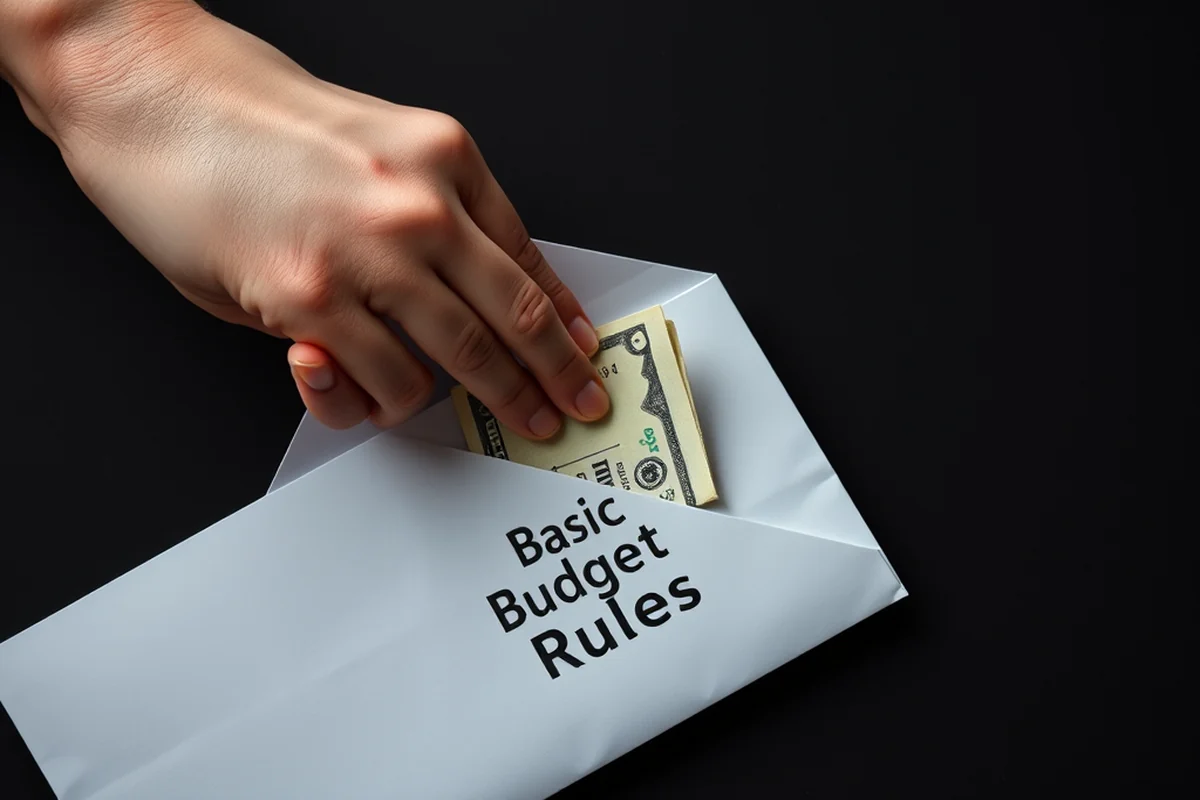
Use the envelope system or a budgeting app to keep track of your spending. This way, you can see where you’re overspending and make adjustments. A realistic budget is a tool — not a prison.
Use the 50/30/20 rule as a starting point, but adjust it based on your needs and goals. You can also try the zero-based budgeting method, where every dollar has a purpose.
“I remember the first time I tried to budget.”— Charity Budgeting Strategies editors
Automate Your Savings and Payments

I used to forget to save money every month. That changed when I set up automatic transfers from my checking account to my savings account. Now, I don’t even have to think about it — the money is moved automatically every pay period.
Automating your savings ensures you’re always putting money aside, even if you’re busy or forgetful. You can set up automatic payments for your bills, credit card minimums, and any other recurring expenses. This helps you avoid late fees and build good financial habits.
I also set up alerts for my account so I know when I hit my savings goal or when I’m running low on money. Automation is about making your financial goals easier to reach — not harder.
Review and Adjust Your Budget Regularly
I used to think my budget was set in stone. That’s when I realized I was missing out on opportunities and overspending in areas I didn’t intend to. I started reviewing my budget every month, and that made a huge difference. It’s like checking the oil in your car — you don’t want to wait until it’s too late.
Review your budget to see if you’re on track to meet your goals. If you’re overspending in one category, adjust it. If you’re saving more than expected, you can redirect that money to another goal. This regular check-in helps you stay on course.
I also use this time to set new goals or update my spending habits. A budget that stays the same is a budget that won’t grow with you — and that’s not helpful.
Avoid the Trap of Impulse Spending
I used to buy things I didn’t need just because they were on sale or I saw them in an ad. That changed when I started using the 30-day rule — if I wanted to buy something, I’d wait 30 days to see if I still wanted it. If I didn’t need it after that, I’d skip it.
Impulse spending is often driven by emotions, not needs. Create a list of things you truly need, and stick to it. Avoid shopping when you’re stressed or emotional. These are the times when you’re most likely to make poor financial choices.
I also started using cash for small purchases and setting a spending limit for the month. This helped me stay within my budget and avoid the trap of buying things I didn’t need.
Impulse spending is a silent thief — it steals your money without you even realizing it.
Stay Patient and Persistent
I used to think that budgeting would fix my financial problems overnight. That’s not how it works. It takes time, patience, and persistence to see real results. I stuck with my budget for three years, and the changes were gradual but consistent.
Financial habits don’t change overnight — they build over time. Be patient with yourself and celebrate small wins along the way. Every dollar you save or every debt you pay down is a step in the right direction.
I also learned that it’s okay to make mistakes. If you overspend or skip a payment, don’t panic. Get back on track the next day. Consistency is key, and it’s more important than perfection.
💰 Tight Budget
For those on a tight budget, focus on cutting non-essentials and using the 50/30/20 rule with a twist — prioritize needs over wants.
🚀 Aggressive Payoff
If your goal is to pay off debt as fast as possible, allocate more money to debt and consider the debt snowball or avalanche method.
💸 Irregular Income
For those with unpredictable income, use the zero-based budget and set aside money for emergencies and irregular expenses.
🤝 Couples
When budgeting with a partner, use a shared budgeting app and set mutual financial goals to stay on the same page.
🌱 Beginner
New to budgeting? Start with the 50/30/20 rule and track your expenses for a month to get a clear picture of your spending.
| The mistake | Why it happens | The fix |
|---|---|---|
| Not tracking expenses | Without tracking, you can’t see where your money is going, making it hard to make informed financial decisions. | Start using a budgeting app or a simple spreadsheet to track your expenses for a month. This will help you identify areas where you can cut back. |
| Setting unrealistic goals | Goals that are too high or too vague can lead to frustration and burnout, making it harder to stick to your budget. | Set SMART goals that are specific, measurable, achievable, relevant, and time-bound. This helps you stay focused and motivated. |
| Ignoring impulse spending | Impulse spending can quickly derail your budget and lead to unnecessary debt. | Use the 30-day rule for non-essential purchases and avoid shopping when you’re stressed or emotional. |
| Not reviewing your budget regularly | A static budget can become outdated and lead to overspending or missing financial goals. | Review your budget every month to ensure it aligns with your current needs and goals. Adjust as needed to stay on track. |
Basic Budgeting Rules
Common Questions
What if I don’t know where my money is going?
How do I stay motivated when budgeting feels difficult?
What if I can’t stick to my budget?
How can I save money without cutting too much?
References
- RFA Basics - SBA Office of Advocacy (advocacy.sba.gov)
- Budgeting Basics: Spending Less than You Earn (globalyouth.wharton.upenn.edu)
Cite this guide
Charity Budgeting Strategies (2026). Basic Budgeting Rules. https://chartyourway.com/basic-budgeting-rules/
Feel free to cite or share this guide.