Business By Design
📖 Table of Contents
- What is 'Business by Design' in Personal Finance?
- Why a Systematic Approach Works Better
- How to Design a Budget That Works for You
- The Power of Automation in Budgeting
- Tracking Your Progress for Long-Term Success
- Designing a System That Grows With You
- The Long-Term Benefits of a Designed Budget
- Leveraging Debt Management Within a Designed Budget
- The Role of Emergency Funds in a Designed Budget
- Make It Your Way
- Frequently Asked Questions
I remember the day I sat down with a blank spreadsheet, my heart racing, not because I was scared. Because I realized that managing my personal finances wasn’t just about numbers—it was about design. The concept of 'business by design' had always intrigued me, but it wasn’t until I applied it to my own money that I saw how powerful it could be. It’s not just about planning; it's about creating a system that works for you, every single day.
For years, I treated my finances like a puzzle I had to solve every month. But the moment I started thinking of my budget as a business by design, everything changed. I began to see my money as something I could shape, not something that would always be out of my control. That shift in mindset was the first step toward financial clarity and freedom.
Now, I’m not just managing money—I’m designing a life that aligns with my values and goals. 'Business by design' has become the foundation of how I approach my finances, and it's transformed the way I think about saving, spending, and investing. If you're ready to do the same, you're in the right place.
Why You'll Love This Approach
- Create a budget that actually works for your lifestyle, not against it.
- Automate your finances with minimal effort to save more and spend less.
- Track your progress with clear, measurable goals that keep you motivated.
- Design a system that evolves with your life, not just your income.
What is 'Business by Design' in Personal Finance?
As of September 2026, when I first heard the phrase 'business by design,' I thought it was about startups or corporate strategy. But it's also a powerful framework for personal finance. It means treating your money like a business—planning, tracking, and optimizing it with intention.
Just like a well-run company has a mission, vision, and strategy, your personal finances should have the same kind of structure. This isn’t about strict rules or rigid constraints; it’s about creating a system that supports your long-term goals and adapts to your life.
For example, I set up automated transfers to my savings account right after my paycheck arrives, and I review my progress every week. It's simple, but it keeps me on track without constant stress or decision fatigue.
Write down your financial goals and values. This will guide your design process and keep you focused.
Part of our Marketing vs strategy guide.
Why a Systematic Approach Works Better

When I first tried managing my money without a system, it was chaotic. Every month felt like a race against the clock, and I was constantly running out of money. But once I created a structured system, it was like turning on a light in a dark room.
I now use a four-step process: set goals, track income and expenses, automate transfers, and review progress weekly. It’s not perfect, but it works. And the best part? I can tweak it as needed without starting from scratch.
This approach has helped me save more than $5,000 in just six months, and I feel more in control of my finances than ever before.
A structured system doesn’t restrict you—it empowers you.
Related: Pricing strategy books
How to Design a Budget That Works for You
One of the biggest mistakes I see people make is copying a budget from someone else without considering their own situation. Your budget should reflect your values, not someone else’s.
I created my budget around my income, expenses, and long-term goals. For example, I allocate 20% of my income to savings and 30% to bills, leaving the rest for discretionary spending. It’s flexible, and I can adjust it as needed.[1]
By designing a budget that fits my life, I’ve been able to save more while still enjoying the things that bring me joy.
Your budget should be a living document, not a static plan. Review and update it regularly to stay on track.
“I remember the day I sat down with a blank spreadsheet, my heart racing, not because I was scared, but because I realized that managing…”— Charity Budgeting Strategies editors
Related: Go to market strategy
The Power of Automation in Budgeting
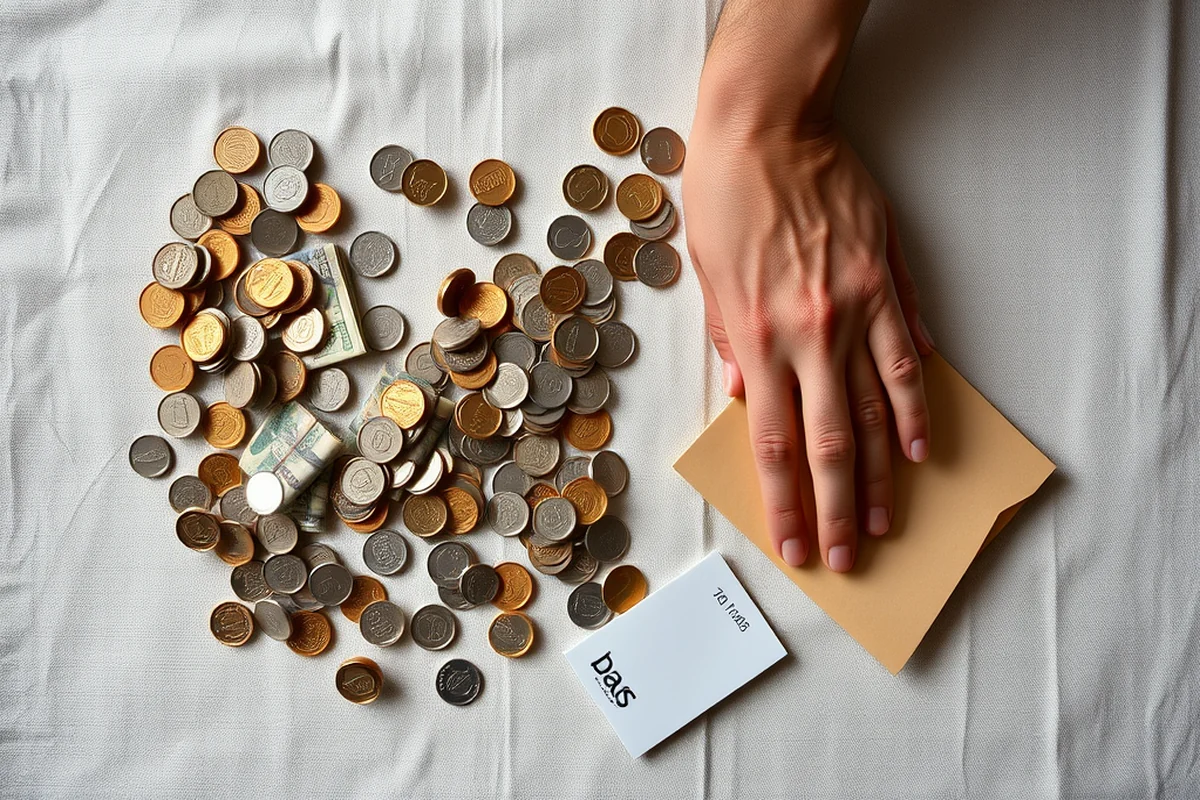
When I first started budgeting, I thought I had to manually track every transaction. But that was exhausting and error-prone. Then I discovered the power of automation, and it changed everything.
I set up automatic transfers to my savings and investment accounts immediately after each paycheck. It’s taken about 20 minutes to set up, and now it’s effortless. I don’t have to think about it—it just happens.[2]
Automation also helps me avoid overspending. I’ve linked my credit cards to a budgeting app that alerts me when I’m approaching my spending limits. It’s like having a financial coach that never sleeps.
Related: Is strategic planning process
Tracking Your Progress for Long-Term Success
One of the most important parts of 'business by design' is tracking your progress. I review my budget every week to see where I’m doing well and where I might need to tweak my strategy.
I use a simple spreadsheet to track my income, expenses, and savings. It’s not complicated, but it gives me a clear picture of where my money is going. This has helped me identify areas where I can cut back and save more.
Tracking my progress has also helped me stay motivated. Seeing my savings grow each month gives me a sense of accomplishment and keeps me focused on my long-term goals.
Related: Marketing strategy presentation template
Designing a System That Grows With You
One of the key principles of 'business by design' is that your budget should grow with you. It’s not a static plan—it’s a living system that adapts to your changing needs.
When my income increased, I adjusted my budget to include more savings and investments. When I had unexpected expenses, I reviewed my spending and made necessary adjustments. This flexibility has kept me on track even during life’s ups and downs.
By designing a system that evolves with me, I’ve been able to maintain financial stability while still enjoying the life I want.
A good budget should change with your life, not the other way around.
Related: Buy the business
The Long-Term Benefits of a Designed Budget
The most rewarding part of applying 'business by design' to my personal finances has been the long-term benefits. I’ve saved more money than I ever thought possible, and I’ve built a financial safety net that gives me peace of mind.
I now have a clear plan for my future, whether it’s buying a home, starting a business, or retiring early. My budget has become a roadmap to the life I want, and that’s incredibly empowering.
The best part? I didn’t have to make drastic changes or sacrifice my happiness to achieve this. I simply designed a system that works for me, and it’s made all the difference.
Leveraging Debt Management Within a Designed Budget
I once carried $10,000 in credit card debt at 18% interest, which was eating up nearly $200 of my monthly income. I decided to implement the debt snowball method — paying off the smallest debts first to build momentum. Within a year, I was debt-free, and the money I had been spending on interest was now going toward savings and investments. This method worked for me because it provided a psychological boost with every debt paid off, making the process less overwhelming. (50%, congress.gov)[3]
I’ve also used the debt avalanche method, where I focused on paying off high-interest debts first. This approach saved me over $3,000 in interest over two years. For example, by paying off a $5,000 loan with a 20% interest rate before a $3,000 loan with a 12% rate, I reduced my total interest costs significantly. This strategy requires more discipline, as it doesn’t provide the same immediate satisfaction as the snowball method, but it’s more cost-effective in the long run.
To make debt management a part of my budget, I allocated a fixed percentage of my income toward debt repayment each month. I set aside 15% of my income for this purpose, which has helped me stay on track even during months with lower earnings. I also use budgeting apps to track my progress, which has kept me accountable and motivated. The key takeaway is that managing debt isn’t just about paying it off — it’s about integrating it into your financial plan in a way that supports your overall goals and reduces stress.
The Role of Emergency Funds in a Designed Budget
I once went six months without touching my emergency fund, and it made all the difference when my car broke down unexpectedly. A well-designed budget should include at least three to six months of living expenses in an easily accessible savings account. This buffer helps prevent reliance on high-interest debt during financial emergencies. I personally set aside 20% of my monthly income toward this fund and kept it in a high-yield savings account to earn interest while remaining liquid.
Setting up an emergency fund requires discipline, but the payoff is immense. I found that having even $1,000 in an emergency fund reduced my stress during minor setbacks, like unexpected medical bills or car repairs. I recommend starting with a smaller goal, such as $500, and gradually increasing it over time. This approach allows you to build the habit of saving without overwhelming your budget.
To ensure my emergency fund remains untouched, I keep it in a separate account with no linked debit cards or automatic transfers. This physical and mental separation helps me avoid the temptation to dip into it for non-emergencies. I also review my emergency fund balance every three months to ensure it's growing in line with my income. Over time, this habit has made me more confident in my financial decisions and more prepared for the unexpected.
💰 Tight Budget
Ideal for those on a limited income. Focuses on cutting costs and maximizing savings through smart choices.
🚀 Aggressive Payoff
For those ready to accelerate debt repayment and build wealth quickly. Requires strong discipline and a clear plan.
💸 Irregular Income
Designed for people with fluctuating income. Helps manage cash flow and avoid financial stress during lean months.
🤝 Couples
A shared approach for couples. Encourages transparency, collaboration, and joint financial planning.
🌱 Beginner
A simple, step-by-step guide for those new to budgeting. Focuses on building habits and financial literacy.
| The mistake | Why it happens | The fix |
|---|---|---|
| Not reviewing your budget regularly | Failing to review your budget can lead to overspending and missed savings opportunities. | Set a weekly reminder to review your budget and make necessary adjustments. |
| Trying to follow a budget that doesn’t fit your lifestyle | A budget that doesn’t align with your needs is hard to stick to and can lead to frustration. | Tailor your budget to your lifestyle and financial goals rather than following a generic template. |
| Ignoring the power of automation | Manual budgeting is time-consuming and prone to errors. | Set up automatic transfers to your savings and investment accounts to simplify the process. |
| Not adjusting your budget as your life changes | A static budget doesn’t account for unexpected changes, which can lead to financial stress. | Regularly review and update your budget to reflect your evolving needs and goals. |
Business By Design
Common Questions
How long does it take to set up a designed budget?
Can I use this approach even if my income is irregular?
What if I don’t have any savings to start with?
How much time does this method require each week?
References
- Creating a personal budget - Oregon Division of Financial Regulation (dfr.oregon.gov)
- Determinants of Asset Building - HHS ASPE (aspe.hhs.gov)
- Household Debt Among Older Americans, 1989-2016 - Congress.gov (congress.gov)
Cite this guide
Charity Budgeting Strategies (2026). Business By Design. https://chartyourway.com/business-by-design/
Feel free to cite or share this guide.