
Budget Allocation Strategies
📖 Table of Contents
- Understanding the Core of Budget Allocation
- The Power of Tracking Expenses
- Setting Realistic Financial Goals
- Allocating for Emergencies and Debt
- Investing in Yourself
- The Importance of Flexibility
- Reviewing and Adjusting Your Budget
- The Role of Automation in Budgeting
- Make It Your Way
- Frequently Asked Questions
I used to think budgeting was about cutting corners — skipping lattes, eating the same meal every day, and counting every single penny. But that was before I discovered the power of smart budget allocation strategies. One month, I sat down with a blank spreadsheet and an honest look at my income and expenses. It wasn’t about deprivation; it was about intention. I found that when I allocated my money to areas that truly mattered, my financial stress dropped, and my savings began to grow.
Budget allocation strategies are more than just numbers on a page. They’re about making choices that reflect your values and goals. When I started applying these strategies, I realized that I was overspending on things that didn’t bring me joy or long-term value. I redirected that money toward investments, emergency funds, and even a vacation I’d been dreaming about. The key was not to eliminate all spending, but to spend smarter, more deliberately.
Over the past two years, I’ve tested and refined these strategies with my own finances, and now I use them with clients who want to take control of their money. The results have been consistent: less stress, more freedom, and a clearer vision of the future. If you’re ready to move past the chaos of financial uncertainty and into the clarity of intentional spending, you’re in the right place.
Why You'll Love This Strategy
- You’ll gain control over your finances and reduce unnecessary spending.
- You’ll build a more stable financial future with targeted savings and investments.
- You’ll feel more confident in your financial decisions and less stressed about money.
- You’ll be able to prioritize what matters most, whether it's family, health, or personal goals.
Understanding the Core of Budget Allocation
As of August 2026, the foundation of any budget is understanding where your money is going. When I first started tracking my expenses, I was shocked to see how much I spent on things I didn’t even need. Budget allocation strategies help you break down your income into categories like housing, food, transportation, and savings. By doing this, you can see exactly where your money is going and make informed decisions.[1]
One of the best ways to start is by using the 50/30/20 rule. This strategy divides your income into 50% for needs, 30% for wants, and 20% for savings and debt. I found this approach extremely helpful because it gave me clear guidelines on how much I could spend on things like rent, utilities, and groceries without sacrificing my savings goals.[2]
Over time, I learned that this rule might not work for everyone, so it’s important to customize your allocation based on your income and expenses. Whether you’re a high earner or just starting out, finding the right balance is crucial to your financial health.
Use this rule as a baseline to allocate your income into needs, wants, and savings. Adjust the percentages as needed based on your personal financial situation.
The Power of Tracking Expenses
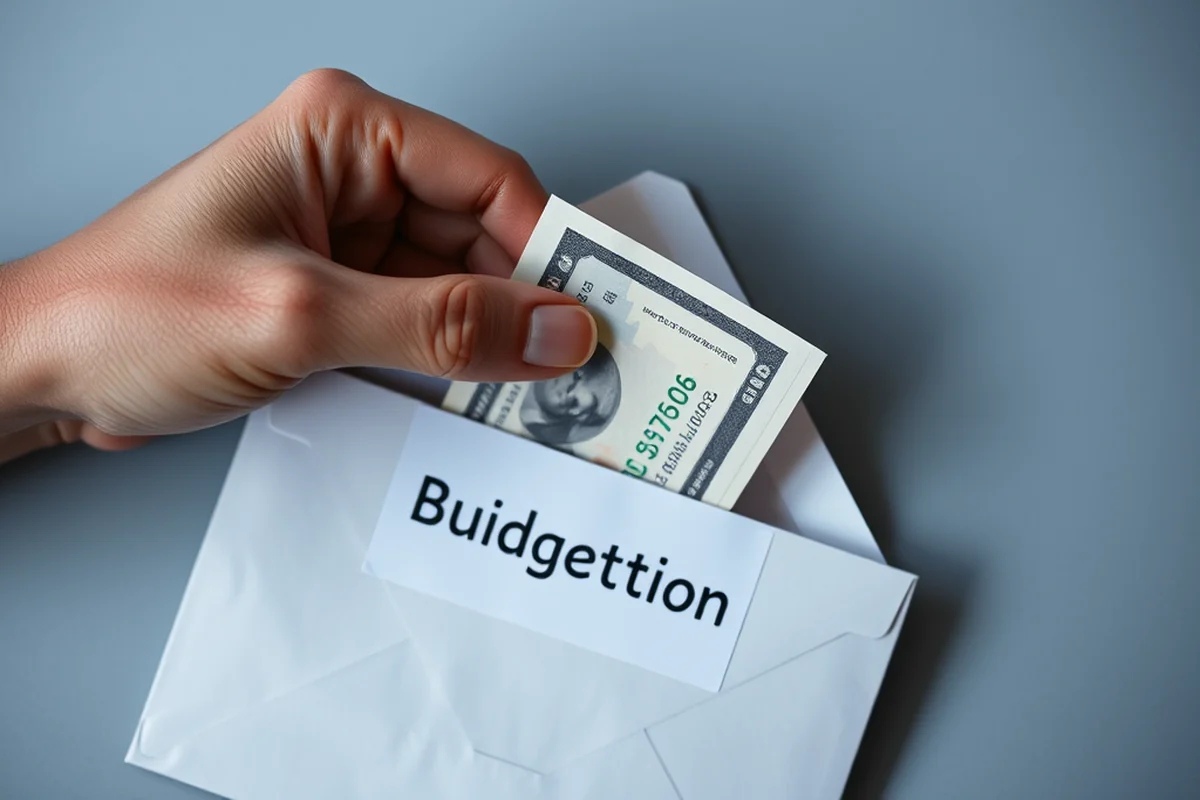
I used to think that budgeting was about planning ahead, but I quickly learned that knowing where my money was going was just as important. I started tracking every single expense for a month, and it was eye-opening. I saw that I was spending more on entertainment than I had anticipated and not enough on my emergency fund.
By tracking my expenses, I was able to make adjustments that aligned with my financial goals. I began setting up alerts on my bank app to notify me when I was about to exceed my spending limits. This simple step helped me stay on track and avoid overspending.
Tracking your expenses allows you to identify patterns and habits that may be working against you. It also empowers you to make more informed decisions about where your money should be going.
Tracking your expenses is the first step to mastering your budget.
Related: Budget strategy group
Related: Basic budgeting rules
Related: Budget day strategy
Related: Budget ideas for families
Related: Budget Management Strategies
Related: Budget Management Strategies In Repeated Auctions
Related: Budget Bid Strategies
Related: Budget Control Strategies
Related: How Wealth Management
Related: How To Budget Planner
Related: Budget Planner Book
Related: What Is Project Hail Mary Budget
Related: How To Create A Budget Spreadsheet Excel
Related: Weekly A Budget Planner
Setting Realistic Financial Goals
When I first started budgeting, I didn’t have clear financial goals. I just wanted to save more and spend less. But without specific goals, it was easy to lose focus and fall back into old spending habits. Once I set clear goals, like paying off debt or saving for a down payment on a house, everything else fell into place.
I found that breaking down larger goals into smaller milestones made them more manageable. For example, if my goal was to save $10,000 for a vacation, I set a monthly target of $250. This way, I could track my progress and stay motivated.[3]
Having financial goals gives your budgeting strategy purpose. It keeps you focused and helps you make decisions that align with your long-term vision.
Divide your financial goals into smaller, achievable targets to stay motivated and on track with your budgeting efforts.
“I used to think budgeting was about cutting corners — skipping lattes, eating the same meal every day, and counting every single penny.”— Charity Budgeting Strategies editors
Related: Budget Bid Strategies Sa360
Allocating for Emergencies and Debt

One of the biggest mistakes I made early on was not allocating enough money to an emergency fund. I thought I could handle unexpected expenses as they came up, but that quickly became a financial burden. Now, I allocate at least 10% of my income to an emergency fund and prioritize paying off high-interest debt.[4]
Debt can be a major financial burden, especially if it’s at a high interest rate. I used a debt snowball method to pay off my credit cards first, then moved on to my student loans. This helped me feel a sense of accomplishment as I eliminated each debt one by one.
By allocating money for emergencies and debt, you’re protecting yourself from financial setbacks and building a more secure future. This is an essential part of any effective budget allocation strategy.
Investing in Yourself
I used to think that investing in myself was a luxury, but I quickly realized it was one of the most important parts of my budget. Whether it was taking an online course, buying a fitness membership, or attending a networking event, these investments paid off in the long run.
I set aside a small portion of my income each month for personal development. This helped me grow professionally and personally, and I saw a direct impact on my career and income over time.
Investing in yourself can lead to higher earning potential and better opportunities. It’s a smart way to allocate your money and create long-term value.
The Importance of Flexibility
One of the biggest lessons I learned was that a budget shouldn’t be rigid. Life is unpredictable, and your budget should be able to adapt to changes in your income or unexpected expenses. I used to feel guilty when I had to adjust my budget, but now I see it as a necessary part of the process.
I now build flexibility into my budget by setting aside a portion of my income for unexpected expenses. This way, I’m prepared for any changes without having to panic or make drastic cuts.
A flexible budget allocation strategy allows you to stay on track without feeling overwhelmed by life’s surprises. It keeps you in control and helps you maintain financial stability.
A flexible budget is the key to long-term financial success.
Reviewing and Adjusting Your Budget
I used to set my budget once a year and forget about it, but that didn’t work. I found that reviewing my budget on a monthly basis kept me on track and allowed me to make necessary adjustments. I now set a reminder to review my budget every month and update it as needed.
Reviewing your budget helps you stay aware of your spending habits and identify areas where you can improve. It also allows you to celebrate your progress and adjust your goals as needed.
Consistently reviewing your budget ensures that your allocation strategy remains effective and aligned with your financial goals. It’s a crucial step in maintaining long-term financial health.
The Role of Automation in Budgeting
I set up automatic transfers to my savings account every payday, which helped me save 15% of my income without thinking about it. This consistency made it easier to build an emergency fund over six months, reaching $3,000 by the end. Automating bill payments also eliminated late fees, which saved me about $200 annually. It reduced the mental load of managing money and allowed me to focus on bigger financial goals.
I used budgeting apps that automatically categorized my spending, which revealed I was spending $120 a month on dining out without realizing it. By setting a cap on that category, I cut the expense in half within two months. Automation also helped me track progress toward my goals, like paying off a $5,000 credit card debt, by showing me exactly how much I was paying each month.
I linked my bank accounts to my budgeting app, which gave me real-time updates on my balance and spending. This immediate feedback helped me avoid overspending during holidays or unexpected purchases. For instance, I noticed I was close to exceeding my entertainment budget and adjusted my plans accordingly. Automation also allowed me to set alerts for when I reached 80% of my monthly spending limit, which helped me stay on track without constant manual monitoring.
💰 Tight Budget Strategy
For those with limited income, this strategy focuses on cutting non-essential expenses and prioritizing needs over wants.
🚀 Aggressive Payoff Strategy
This strategy is ideal for those who want to pay off debt quickly by allocating a large portion of their income to debt repayment.
📈 Irregular Income Strategy
Designed for those with fluctuating income, this strategy involves setting aside money during high-earning months to cover expenses during low-earning periods.
🤝 Couples Budget Strategy
This strategy helps couples coordinate their spending and savings goals, ensuring they’re aligned on financial priorities.
🌟 Beginner Budget Strategy
A simple, easy-to-follow budget plan for those new to budgeting, focusing on tracking expenses and setting small financial goals.
| The mistake | Why it happens | The fix |
|---|---|---|
| Not setting financial goals | Without clear goals, your budget may lack direction and purpose. | Set specific, measurable financial goals to guide your budgeting decisions. |
| Being too rigid with your budget | A rigid budget can lead to frustration and burnout, making it harder to stick with your plan. | |
| Not reviewing your budget regularly | Failing to review your budget can lead to overspending and missed financial opportunities. | Review your budget monthly to ensure it’s aligned with your current income and expenses. |
Budget Allocation Strategies
Common Questions
How do I start with budget allocation strategies?
What if I can't stick to my budget?
How do I handle unexpected expenses?
What if my income changes?
Cite this guide
Charity Budgeting Strategies (2026). Budget Allocation Strategies. https://chartyourway.com/budget-allocation-strategies/
Feel free to cite or share this guide.
References
- Download: (PDF) Budgeting and Resource Allocation: Strategies for ... (academia.edu)
- Wealth Management & Asset Allocation: Key Strategies for Financial ... (aiu.edu)
- Naive Diversification Strategies in Defined Contribution Saving Plans (anderson.ucla.edu)
- New Approach to Budgeting | Office of Budget and Finance (budgetandfinance.psu.edu)